Key takeaways
- Prepare skin and hair before shaving, use clean tools, and avoid repeated passes over irritated skin.
- Body grooming should prioritize safety, visibility, and gentle aftercare.
- A barber or dermatologist can help with persistent irritation, ingrown hairs, or scalp and beard concerns.
How to use this guide
Use this article as a starting point for clearer decisions, not as a personal plan. The most useful next step is usually to compare the ideas here with your current routine, choose one small change, and watch how your body, schedule, and budget respond over several weeks.
Keep notes when a topic touches health, mood, skin, hair, nutrition, sleep, or medication. A simple record of symptoms, habits, product names, timing, and questions can make a professional conversation more efficient. Stop any self-care step that causes pain, worsening irritation, unusual symptoms, or distress, and seek qualified guidance when something feels outside ordinary day-to-day variation.
It also helps to separate maintenance from intervention. Maintenance habits are the ordinary routines that support comfort and consistency, such as sleep, hygiene, hydration, sun protection, movement, and planning. Intervention belongs to qualified professionals when symptoms are persistent, sudden, severe, or personally concerning. Keeping that distinction clear is one way hextronix avoids turning general wellness content into medical advice.
If a claim sounds unusually fast, universal, or emotionally loaded, slow down before acting on it. Look for ordinary explanations, possible downsides, cost, time commitment, and whether the claim depends on fear or embarrassment. A calm decision is usually easier to sustain than a rushed purchase or an extreme routine. Revisit choices periodically, because a useful routine should still fit your life after the initial motivation fades. Small adjustments are often easier to evaluate than complete overhauls.
A practical grooming mindset
Grooming should make daily life easier, not create another impossible standard. A good routine supports comfort, hygiene, and personal presentation. It does not need to copy a trend or imply that natural body hair is a flaw.
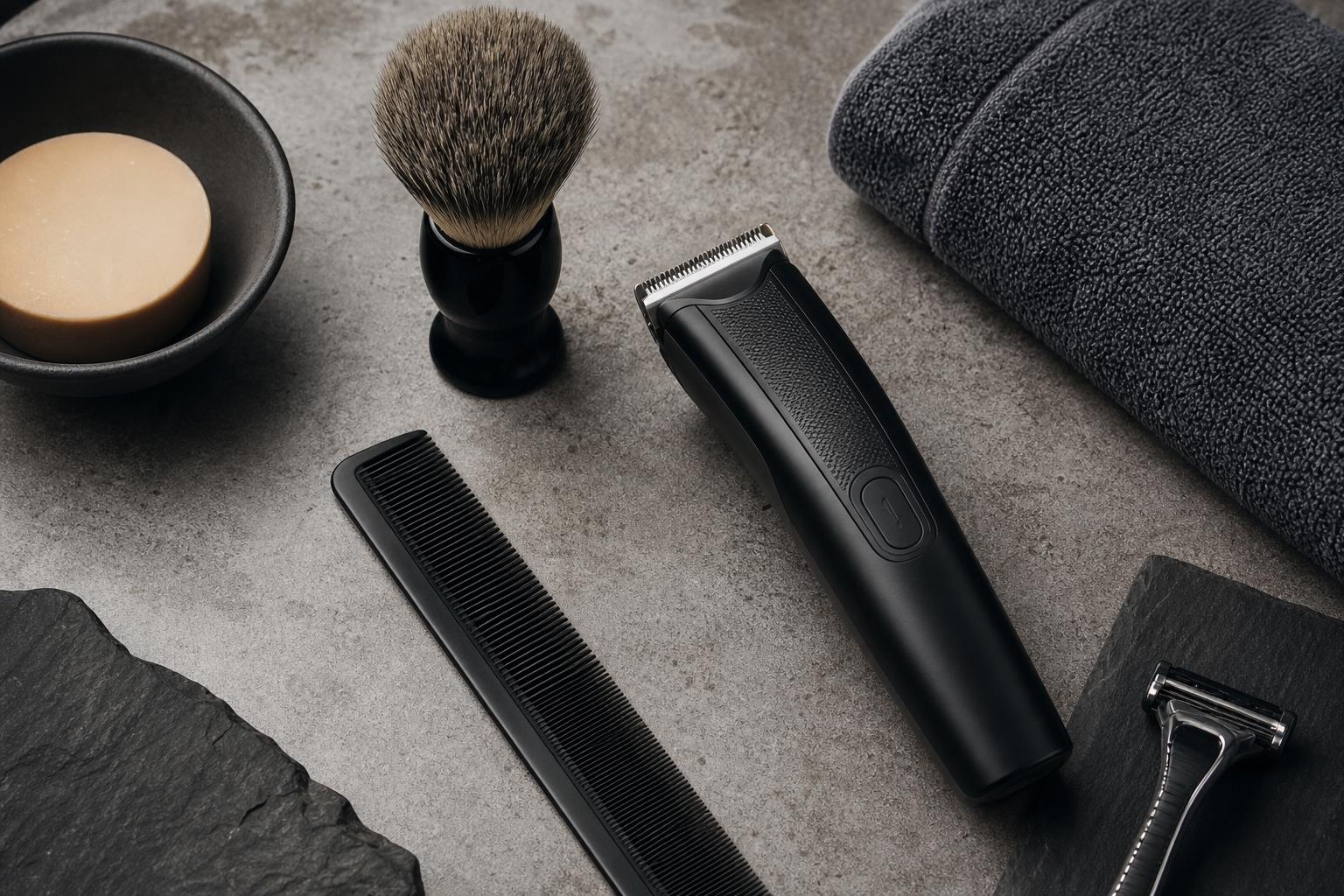
The most useful tools are usually basic: a reliable trimmer, sharp blades when shaving, a comb or brush, a gentle cleanser, moisturizer, deodorant, and a fragrance used with restraint. Consistency matters more than buying every new device.
Shaving prep and technique
Warm water softens hair and can make shaving more comfortable. A shave cream, gel, or soap adds slip so the blade does not drag. Shaving with the grain first and using light pressure can help reduce irritation for many people.
Rinse blades often, replace dull cartridges, and avoid shaving over active irritation. If close shaving repeatedly causes bumps, a trimmer or electric shaver may be more comfortable than chasing a perfectly smooth finish.
Beard care
Beards collect sweat, oil, food particles, and product residue. Washing the beard and skin underneath can help reduce itch and flakes. A small amount of beard oil or moisturizer may help dryness, but heavy fragrance or over-application can irritate some people.
Shape lines slowly. Cutting too much at once is a common mistake. A barber can help establish a shape that can then be maintained at home.
Ingrown hairs and razor hygiene
Ingrown hairs happen when cut hair re-enters or becomes trapped under the skin. Coarse or curly hair can be more prone. Strategies that may help include trimming instead of very close shaving, shaving with the grain, using fewer passes, and avoiding skin stretching that cuts hair below the surface.
Razor hygiene is simple but important. Let tools dry, avoid sharing blades, clean trimmer guards, and replace blades that tug. Painful, swollen, or draining bumps need medical attention.
Body grooming, fragrance, and deodorant
For body grooming, use good lighting, dry skin when trimming, and guarded tools around sensitive areas. Do not rush. Avoid chemical depilatories on irritated skin, and follow label instructions carefully if using them.
Fragrance works best when it is discovered up close, not announced across a room. Deodorant focuses on odor, while antiperspirant reduces sweat. Sensitive skin may do better with fragrance-free options or products without ingredients that previously caused irritation.
When to speak with a professional
Ask a barber for shaping, tool choice, and technique. Speak with a dermatologist or clinician for persistent razor bumps, painful ingrown hairs, unexplained rashes, scalp scaling, patchy beard loss, or reactions that keep returning.
Professional guidance is especially important when irritation looks infected or is affecting confidence and daily comfort.
What this article does not claim
This article does not claim there is one correct way for men to look. It does not promise to treat skin conditions or remove grooming problems for everyone. It offers general comfort-first grooming guidance.
Sources / Further Reading
Use these reputable sources as a starting point for verification before publication:
- American Academy of Dermatology Association shaving guidance
- FDA cosmetics safety information
- MedlinePlus skin infection information
Related articles
Skincare · 12 min read
The Modern Men's Skincare Routine: Simple Steps That Actually Make Sense
A reliable routine does not need ten steps. For most men, consistency with cleansing, moisturizing, sunscreen, and careful shaving is more useful than chasing harsh trends.
Hair · 13 min read
Hair Loss in Men: What to Know Before Trying Treatments
Hair thinning can have many causes. The useful first step is careful observation and a qualified conversation, not panic buying or miracle claims.

Sleep & Stress · 14 min read
Sleep, Stress, and Testosterone: What Lifestyle Can and Can't Do
Sleep, recovery, training, nutrition, and alcohol habits can support general wellness. They are not a substitute for medical evaluation when symptoms suggest a hormone or health concern.