Key takeaways
- Genetics, stress, illness, medications, scalp conditions, and nutrition patterns can all be relevant.
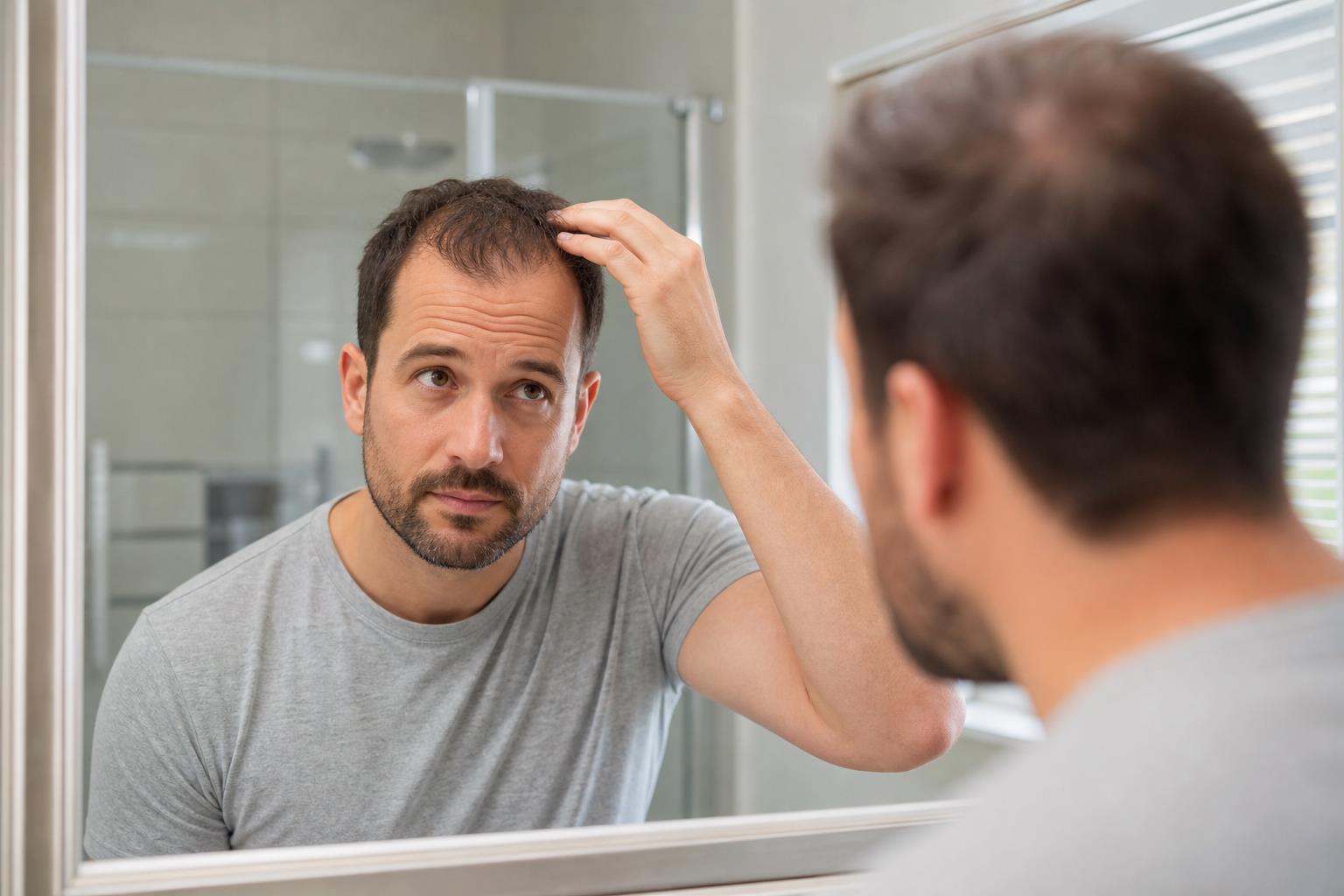
- Progress photos under consistent lighting can make changes easier to discuss with a clinician.
- Avoid products that promise dramatic regrowth, instant results, or simple fixes for complex hair loss.
How to use this guide
Use this article as a starting point for clearer decisions, not as a personal plan. The most useful next step is usually to compare the ideas here with your current routine, choose one small change, and watch how your body, schedule, and budget respond over several weeks.
Keep notes when a topic touches health, mood, skin, hair, nutrition, sleep, or medication. A simple record of symptoms, habits, product names, timing, and questions can make a professional conversation more efficient. Stop any self-care step that causes pain, worsening irritation, unusual symptoms, or distress, and seek qualified guidance when something feels outside ordinary day-to-day variation.
It also helps to separate maintenance from intervention. Maintenance habits are the ordinary routines that support comfort and consistency, such as sleep, hygiene, hydration, sun protection, movement, and planning. Intervention belongs to qualified professionals when symptoms are persistent, sudden, severe, or personally concerning. Keeping that distinction clear is one way hextronix avoids turning general wellness content into medical advice.
If a claim sounds unusually fast, universal, or emotionally loaded, slow down before acting on it. Look for ordinary explanations, possible downsides, cost, time commitment, and whether the claim depends on fear or embarrassment. A calm decision is usually easier to sustain than a rushed purchase or an extreme routine. Revisit choices periodically, because a useful routine should still fit your life after the initial motivation fades. Small adjustments are often easier to evaluate than complete overhauls.
Common patterns and causes
Many men notice hair changes at the temples, crown, part line, or shower drain. Genetics often plays a role in patterned thinning, but it is not the only possible factor. Temporary shedding can be associated with major stress, illness, rapid weight changes, certain medications, or nutritional issues. Scalp inflammation, dandruff-like conditions, and tight hairstyles can also matter.
The pattern, timing, and symptoms are important. Gradual thinning over years is different from sudden shedding over weeks. Itching, scaling, pain, redness, or patchy loss deserves professional attention. Online content can describe common categories, but it cannot identify the cause for a specific person.
Before trying products
The hair-loss market is full of confident claims. Some options have stronger evidence than others, and some are mainly cosmetic. A qualified healthcare professional can discuss whether a treatment conversation is appropriate, what side effects or limitations may apply, and whether lab work or a scalp exam is needed.
Be skeptical of oils, supplements, devices, and bundles that claim they can reliably restore hair for everyone. Supplements may be useful only when a deficiency or clear need exists. Randomly adding several pills can create cost, risk, and confusion without solving the reason hair is changing.
Scalp care and lifestyle
Scalp care is not the same as promising regrowth. Keeping the scalp clean, addressing dandruff, avoiding harsh scratching, and reducing unnecessary traction can support comfort. It can also make it easier to use styling products without buildup.
Lifestyle can support general health, but it has realistic limits. Sleep, protein intake, stress management, and avoiding crash diets may support the conditions hair grows in. They should not be marketed as an assured way to change male pattern thinning.
Tracking changes
Progress photos can reduce guesswork. Use the same room, lighting, distance, hair length, and angle every four to eight weeks. Include front, temples, crown, and sides. Daily mirror checks often exaggerate normal variation and increase stress.
Write down recent illnesses, medication changes, major stressors, diet changes, scalp symptoms, and family history. This information can help a professional conversation become more specific.
Avoiding misleading claims
Watch for urgent countdowns, fake medical authority, hidden subscription billing, before-and-after photos without context, and language that makes ordinary aging feel shameful. Also be cautious when every explanation leads to the same product.
A responsible source should describe uncertainty, individual variation, and when to seek care. It should not pretend that every type of hair loss has the same solution.
When to speak with a professional
Seek medical guidance for sudden shedding, patchy hair loss, scalp pain, scaling, redness, pus, hair loss after starting a medication, or signs of broader illness. A clinician may discuss examination, lab testing, prescription options, or referral to dermatology.
Mental strain matters too. If hair changes are affecting daily life, social confidence, or mood, it is reasonable to seek support.
What this article does not claim
This article does not claim that oils, supplements, routines, or lifestyle habits can restore lost hair. It does not offer treatment instructions. It is meant to help readers ask better questions and avoid exaggerated marketing.
Sources / Further Reading
Use these reputable sources as a starting point for verification before publication:
- American Academy of Dermatology Association hair loss resources
- MedlinePlus hair loss overview
- Mayo Clinic hair loss patient information
Related articles

Skincare · 12 min read
The Modern Men's Skincare Routine: Simple Steps That Actually Make Sense
A reliable routine does not need ten steps. For most men, consistency with cleansing, moisturizing, sunscreen, and careful shaving is more useful than chasing harsh trends.

Sleep & Stress · 14 min read
Sleep, Stress, and Testosterone: What Lifestyle Can and Can't Do
Sleep, recovery, training, nutrition, and alcohol habits can support general wellness. They are not a substitute for medical evaluation when symptoms suggest a hormone or health concern.
Grooming · 11 min read
The Practical Men's Grooming Guide: Beard, Shaving, Body Hair, and Skin Comfort
Good grooming is mostly maintenance: clean tools, comfortable shaving, simple beard care, careful body grooming, and scent choices that do not overwhelm the room.