
Key takeaways
- Start with a gentle cleanser, a moisturizer, and daily broad-spectrum sunscreen.
- Add exfoliation slowly and stop if burning, tightness, or irritation appears.
- Patch test new products and ask a dermatologist about persistent acne, rashes, or painful shaving irritation.
How to use this guide
Use this article as a starting point for clearer decisions, not as a personal plan. The most useful next step is usually to compare the ideas here with your current routine, choose one small change, and watch how your body, schedule, and budget respond over several weeks.
Keep notes when a topic touches health, mood, skin, hair, nutrition, sleep, or medication. A simple record of symptoms, habits, product names, timing, and questions can make a professional conversation more efficient. Stop any self-care step that causes pain, worsening irritation, unusual symptoms, or distress, and seek qualified guidance when something feels outside ordinary day-to-day variation.
It also helps to separate maintenance from intervention. Maintenance habits are the ordinary routines that support comfort and consistency, such as sleep, hygiene, hydration, sun protection, movement, and planning. Intervention belongs to qualified professionals when symptoms are persistent, sudden, severe, or personally concerning. Keeping that distinction clear is one way hextronix avoids turning general wellness content into medical advice.
If a claim sounds unusually fast, universal, or emotionally loaded, slow down before acting on it. Look for ordinary explanations, possible downsides, cost, time commitment, and whether the claim depends on fear or embarrassment. A calm decision is usually easier to sustain than a rushed purchase or an extreme routine. Revisit choices periodically, because a useful routine should still fit your life after the initial motivation fades. Small adjustments are often easier to evaluate than complete overhauls.
Why simple routines usually win
The best skincare routine is the one a person can repeat without turning the bathroom into a laboratory. Skin is a barrier organ, and a good routine supports that barrier instead of constantly stripping it. Many men start with strong scrubs, alcohol-heavy aftershaves, or several active ingredients at once, then wonder why their face feels tight or reactive. A calmer approach usually makes it easier to understand what helps and what causes problems.
A practical baseline has three jobs: remove sweat and sunscreen, keep the skin comfortable, and reduce avoidable sun exposure. Those goals sound plain, but they cover much of what people actually need from daily care. Results vary, and no routine should be framed as a medical treatment, but steady habits can help some people notice smoother texture, less dryness, and fewer avoidable irritation cycles.
Cleansing without overdoing it
A gentle cleanser is usually enough for the face. Cleansing once in the evening can remove sunscreen, oil, sweat, and city grime. Some people also like a morning cleanse, especially after heavy sweating, but others do better with water in the morning and cleanser at night. The right frequency depends on skin type, climate, workouts, and shaving habits.
Skin should not feel squeaky, burning, or pulled tight after washing. Those signs can suggest the cleanser is too harsh, the water is too hot, or the routine is happening too often. Men with sensitive skin may want fragrance-free options and a short ingredient list. Acne-prone skin may benefit from discussing non-prescription or prescription options with a dermatologist instead of escalating through random products.
Moisturizer and sunscreen
Moisturizer helps reduce water loss from the surface of the skin. It can be lightweight, gel-like, cream-based, or richer depending on dryness and season. Oily skin can still need moisturizer, particularly if cleansing, shaving, or active ingredients are making the barrier feel stressed.
Daily sunscreen is one of the clearest evidence-aware grooming habits. A broad-spectrum sunscreen used consistently can help limit UV-related skin damage. It does not make anyone invincible in the sun, and it should be paired with shade, hats, and sensible exposure. Men with darker skin tones still benefit from sun protection, although individual concerns and product preferences can vary.
Shaving irritation and ingrown hairs
Shaving is skincare. A sharp blade, warm water, a cushioning shave product, and shaving with the grain can reduce friction for many people. Rushing a dry shave across textured or sensitive skin often creates more trouble than the few minutes saved.
Ingrown hairs and razor bumps are common, especially for curly or coarse hair. Some people find that trimming instead of close shaving, using fewer blade passes, or choosing an electric trimmer helps reduce irritation. Painful bumps, draining lesions, or persistent inflammation should be discussed with a qualified clinician.
Exfoliation, sensitive skin, and fragrance
Exfoliation can help some people with dullness or rough texture, but more is not better. A low-frequency chemical exfoliant or a very gentle physical option may be enough. Daily scrubbing, gritty tools, or stacking several exfoliating products can irritate the skin barrier.
Fragrance is a personal choice, not automatically a problem. Still, fragrance can bother some sensitive skin types. Patch testing a small area before using a new product broadly is a reasonable habit. If the test area becomes itchy, red, swollen, or uncomfortable, stop and seek professional guidance when needed.
When to speak with a professional
Talk with a dermatologist or qualified healthcare professional if acne is painful, scarring, sudden, or persistent; if a rash spreads; if shaving bumps become infected-looking; or if a mole changes in size, shape, color, or sensation. Skincare advice online cannot examine skin, review medications, or make a diagnosis.
Professional care is also appropriate when product reactions keep happening. A clinician may help identify dermatitis, allergies, acne variants, or other issues that need individualized care.
What this article does not claim
This article does not claim that a routine can diagnose, treat, or resolve medical skin conditions. It does not promise acne results, anti-aging transformations, or a single routine that fits everyone. It offers general educational information for building a sensible starting point.
Sources / Further Reading
Use these reputable sources as a starting point for verification before publication:
- American Academy of Dermatology Association skin care guidance
- FDA sunscreen consumer information
- National Institute on Aging skin care and sun safety resources
Related articles
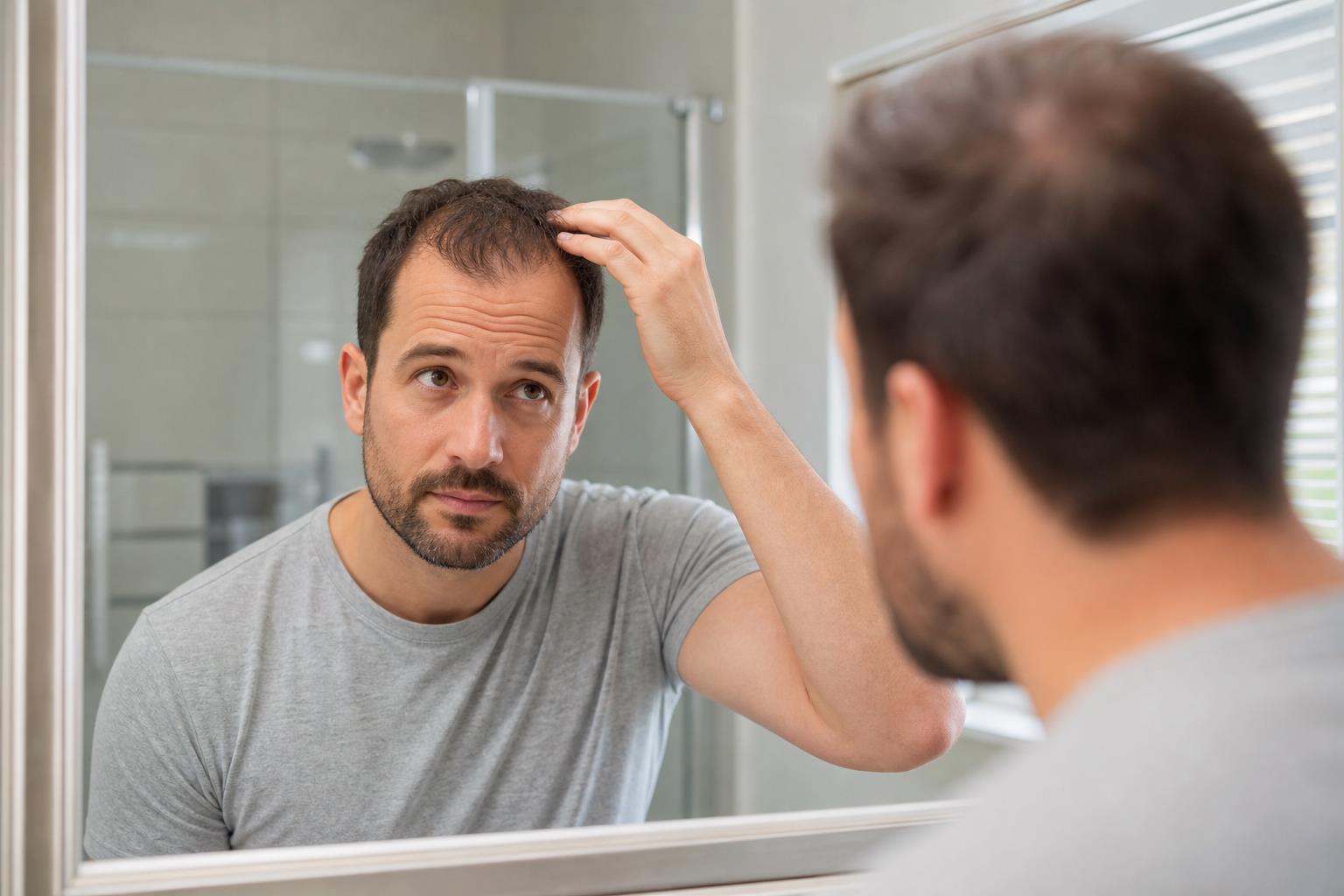
Hair · 13 min read
Hair Loss in Men: What to Know Before Trying Treatments
Hair thinning can have many causes. The useful first step is careful observation and a qualified conversation, not panic buying or miracle claims.

Sleep & Stress · 14 min read
Sleep, Stress, and Testosterone: What Lifestyle Can and Can't Do
Sleep, recovery, training, nutrition, and alcohol habits can support general wellness. They are not a substitute for medical evaluation when symptoms suggest a hormone or health concern.

Grooming · 11 min read
The Practical Men's Grooming Guide: Beard, Shaving, Body Hair, and Skin Comfort
Good grooming is mostly maintenance: clean tools, comfortable shaving, simple beard care, careful body grooming, and scent choices that do not overwhelm the room.