Key takeaways
- Protein, fiber, hydration, and consistent meal structure matter more than extreme rules.
- Weight management should avoid shame and focus on sustainable behaviors.
- Supplements are optional and should be discussed with qualified professionals when health concerns are involved.
How to use this guide
Use this article as a starting point for clearer decisions, not as a personal plan. The most useful next step is usually to compare the ideas here with your current routine, choose one small change, and watch how your body, schedule, and budget respond over several weeks.
Keep notes when a topic touches health, mood, skin, hair, nutrition, sleep, or medication. A simple record of symptoms, habits, product names, timing, and questions can make a professional conversation more efficient. Stop any self-care step that causes pain, worsening irritation, unusual symptoms, or distress, and seek qualified guidance when something feels outside ordinary day-to-day variation.
It also helps to separate maintenance from intervention. Maintenance habits are the ordinary routines that support comfort and consistency, such as sleep, hygiene, hydration, sun protection, movement, and planning. Intervention belongs to qualified professionals when symptoms are persistent, sudden, severe, or personally concerning. Keeping that distinction clear is one way hextronix avoids turning general wellness content into medical advice.
If a claim sounds unusually fast, universal, or emotionally loaded, slow down before acting on it. Look for ordinary explanations, possible downsides, cost, time commitment, and whether the claim depends on fear or embarrassment. A calm decision is usually easier to sustain than a rushed purchase or an extreme routine. Revisit choices periodically, because a useful routine should still fit your life after the initial motivation fades. Small adjustments are often easier to evaluate than complete overhauls.
Start with meals, not hacks
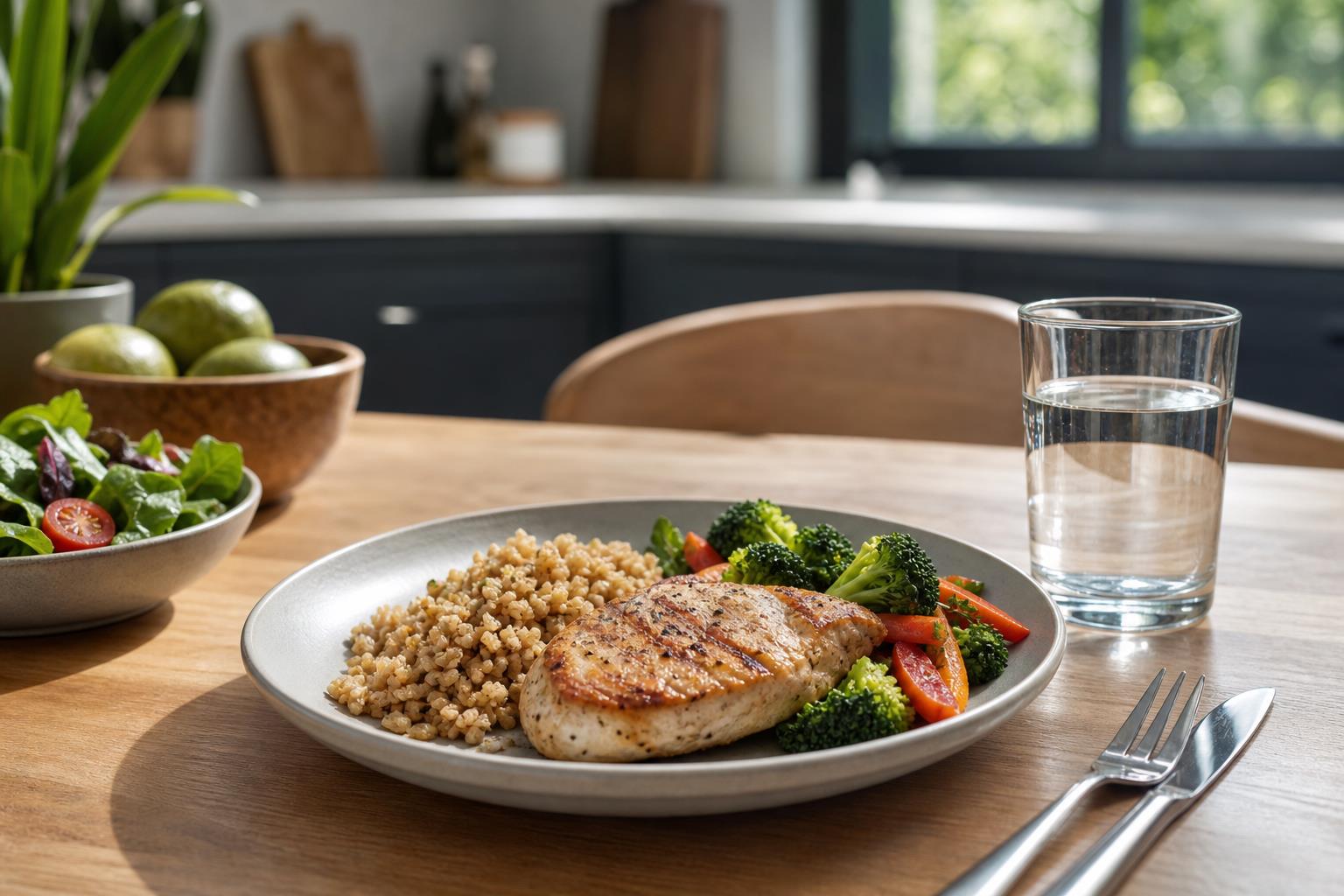
Men's nutrition advice often swings between extremes: bulk at all costs, cut every carbohydrate, or buy a stack of powders. A steadier approach starts with ordinary meals. Most people benefit from a protein source, fiber-rich carbohydrates, vegetables or fruit, some healthy fats, and water across the day.
The right amount depends on body size, training, health status, goals, budget, and culture. A registered dietitian can help tailor a plan, especially for medical conditions, digestive issues, disordered eating history, or performance goals.
Protein basics
Protein supports muscle repair, satiety, and general tissue maintenance. Good sources can include fish, poultry, lean meats, eggs, dairy, beans, lentils, tofu, tempeh, and other plant proteins. Spreading protein across meals can be easier than trying to pack it all into dinner.
More protein is not automatically better. Very high intakes may crowd out fiber-rich foods or be inappropriate for some medical situations. People with kidney disease or other health concerns should seek qualified guidance.
Fiber, hydration, and micronutrients
Fiber is associated with digestive health and can support fullness. Whole grains, beans, lentils, fruits, vegetables, nuts, and seeds are useful places to start. Increasing fiber gradually and drinking enough fluids can make the transition more comfortable.
Hydration needs vary with heat, sweat, body size, alcohol intake, and activity. Pale yellow urine can be a rough sign for many people, but medical conditions and medications can change fluid needs. Micronutrients are best covered by varied foods when possible, with supplements used thoughtfully when needed.
Meal planning that survives real life
A sustainable plan should account for workdays, travel, family obligations, and budget. Batch-cooking a protein, washing fruit, keeping frozen vegetables, and having simple backup meals can prevent the week from depending on motivation.
Weight management without shame means focusing on patterns: portions, liquid calories, snacking environments, sleep, activity, and stress. It should not make body size a moral score. The goal is better health behavior, not punishment.
Supplements as optional tools
Protein powder, creatine, vitamin D, omega-3 products, or multivitamins may be discussed in some contexts, but none replaces food quality, sleep, training, or medical care. Product quality varies, and interactions or inappropriate dosing can matter.
These statements have not been evaluated by the Food and Drug Administration. This content is not intended to diagnose, treat, cure, or prevent any disease. Always consult a qualified healthcare professional before starting any supplement, medication, treatment, or major lifestyle change.
When to speak with a professional
Speak with a registered dietitian or qualified clinician for diabetes, heart disease, kidney disease, gastrointestinal symptoms, food allergies, unexplained weight change, eating disorder concerns, or major performance goals.
Professional guidance can also help when nutrition information feels overwhelming or when a person has tried many restrictive plans without a stable routine.
What this article does not claim
This article does not claim that a food, diet, supplement, or meal plan can treat disease. It does not provide individualized medical nutrition therapy. It offers general educational principles for a realistic conversation.
Sources / Further Reading
Use these reputable sources as a starting point for verification before publication:
- USDA Dietary Guidelines for Americans
- Academy of Nutrition and Dietetics consumer resources
- NIH Office of Dietary Supplements fact sheets
Related articles

Skincare · 12 min read
The Modern Men's Skincare Routine: Simple Steps That Actually Make Sense
A reliable routine does not need ten steps. For most men, consistency with cleansing, moisturizing, sunscreen, and careful shaving is more useful than chasing harsh trends.

Hair · 13 min read
Hair Loss in Men: What to Know Before Trying Treatments
Hair thinning can have many causes. The useful first step is careful observation and a qualified conversation, not panic buying or miracle claims.

Sleep & Stress · 14 min read
Sleep, Stress, and Testosterone: What Lifestyle Can and Can't Do
Sleep, recovery, training, nutrition, and alcohol habits can support general wellness. They are not a substitute for medical evaluation when symptoms suggest a hormone or health concern.