
Key takeaways
- Confidence can be built through habits, skills, connection, and self-care rather than appearance pressure.
- Social comparison can distort expectations about bodies, money, relationships, and masculinity.
- Mental health support is appropriate when distress is persistent, unsafe, or hard to manage alone.
How to use this guide
Use this article as a starting point for clearer decisions, not as a personal plan. The most useful next step is usually to compare the ideas here with your current routine, choose one small change, and watch how your body, schedule, and budget respond over several weeks.
Keep notes when a topic touches health, mood, skin, hair, nutrition, sleep, or medication. A simple record of symptoms, habits, product names, timing, and questions can make a professional conversation more efficient. Stop any self-care step that causes pain, worsening irritation, unusual symptoms, or distress, and seek qualified guidance when something feels outside ordinary day-to-day variation.
It also helps to separate maintenance from intervention. Maintenance habits are the ordinary routines that support comfort and consistency, such as sleep, hygiene, hydration, sun protection, movement, and planning. Intervention belongs to qualified professionals when symptoms are persistent, sudden, severe, or personally concerning. Keeping that distinction clear is one way hextronix avoids turning general wellness content into medical advice.
If a claim sounds unusually fast, universal, or emotionally loaded, slow down before acting on it. Look for ordinary explanations, possible downsides, cost, time commitment, and whether the claim depends on fear or embarrassment. A calm decision is usually easier to sustain than a rushed purchase or an extreme routine. Revisit choices periodically, because a useful routine should still fit your life after the initial motivation fades. Small adjustments are often easier to evaluate than complete overhauls.
Confidence as a practice
Confidence is often sold as a look, but it is more useful to treat it as a practice. Keeping promises to yourself, maintaining basic routines, asking for help, learning skills, and taking care of your body can all support a steadier sense of self.
This does not mean every problem can be solved by discipline. People face stress, trauma, discrimination, illness, financial pressure, and relationship problems. A compassionate view of confidence leaves room for support and context.
Body image pressure
Men receive constant signals about height, hair, leanness, muscularity, sexual performance, status, and aging. Social feeds compress the most edited and selected moments into an unrealistic standard. Comparing a normal body to lighting, posing, filters, paid training, and genetics can distort expectations.
A healthier body image does not require pretending appearance never matters. It means not letting appearance become the only measure of worth. Training, grooming, and nutrition can be expressions of care rather than punishment.
Grooming and self-care
Small routines can change how a day feels. Clean clothes, a haircut that suits the person's lifestyle, skincare that reduces irritation, regular movement, and enough sleep can support confidence because they create structure.
Self-care should stay practical. It is not a mandate to buy products or perform masculinity. It is a way to reduce friction in daily life and build a dependable baseline.
Exercise, routine, and connection
Exercise can support mood and confidence for many people, partly because it creates evidence of effort. Walking, lifting, sports, mobility work, or cycling can all count. The best option is the one that can be repeated safely.
Connection matters. Isolation can make problems feel more fixed than they are. Talking with a friend, therapist, coach, partner, mentor, or support group can reduce the pressure of handling everything privately.
When to seek mental health support
Seek professional support if low mood, anxiety, anger, body image distress, substance use, or relationship problems persist or interfere with daily life. If someone feels unsafe, at risk of self-harm, or at risk of harming someone else, they should call local emergency services immediately or contact a crisis support line in their country.
There is no need to wait until things are extreme. Therapy, medical care, and community support can be useful earlier, when patterns are still easier to shift.
What this article does not claim
This article does not claim to diagnose or treat mental health conditions. It does not say confidence fixes everything. It offers general educational ideas and encourages professional support when needed.
Sources / Further Reading
Use these reputable sources as a starting point for verification before publication:
- National Institute of Mental Health resources
- 988 Lifeline information for US readers
- American Psychological Association body image and stress resources
Related articles
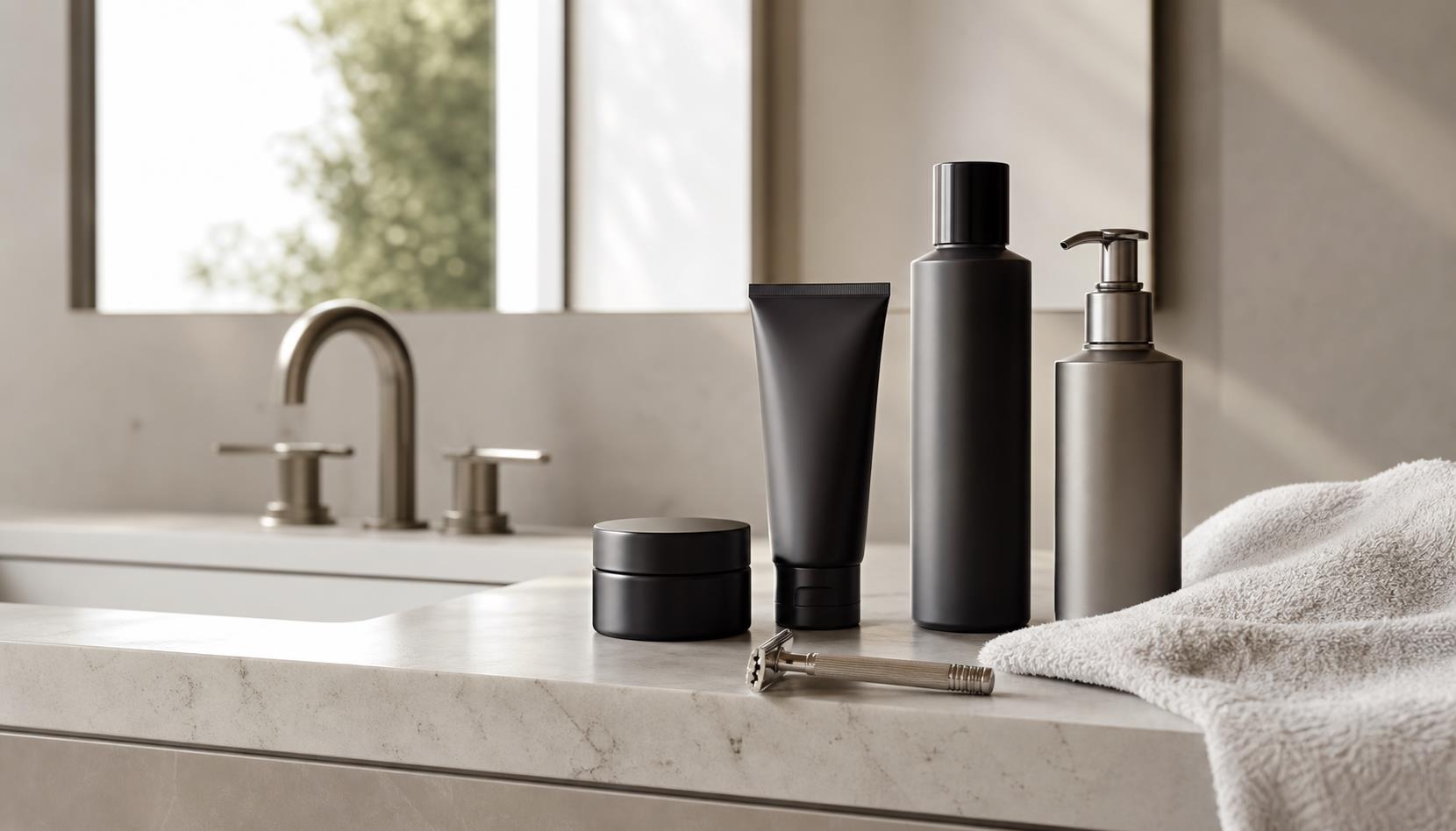
Skincare · 12 min read
The Modern Men's Skincare Routine: Simple Steps That Actually Make Sense
A reliable routine does not need ten steps. For most men, consistency with cleansing, moisturizing, sunscreen, and careful shaving is more useful than chasing harsh trends.
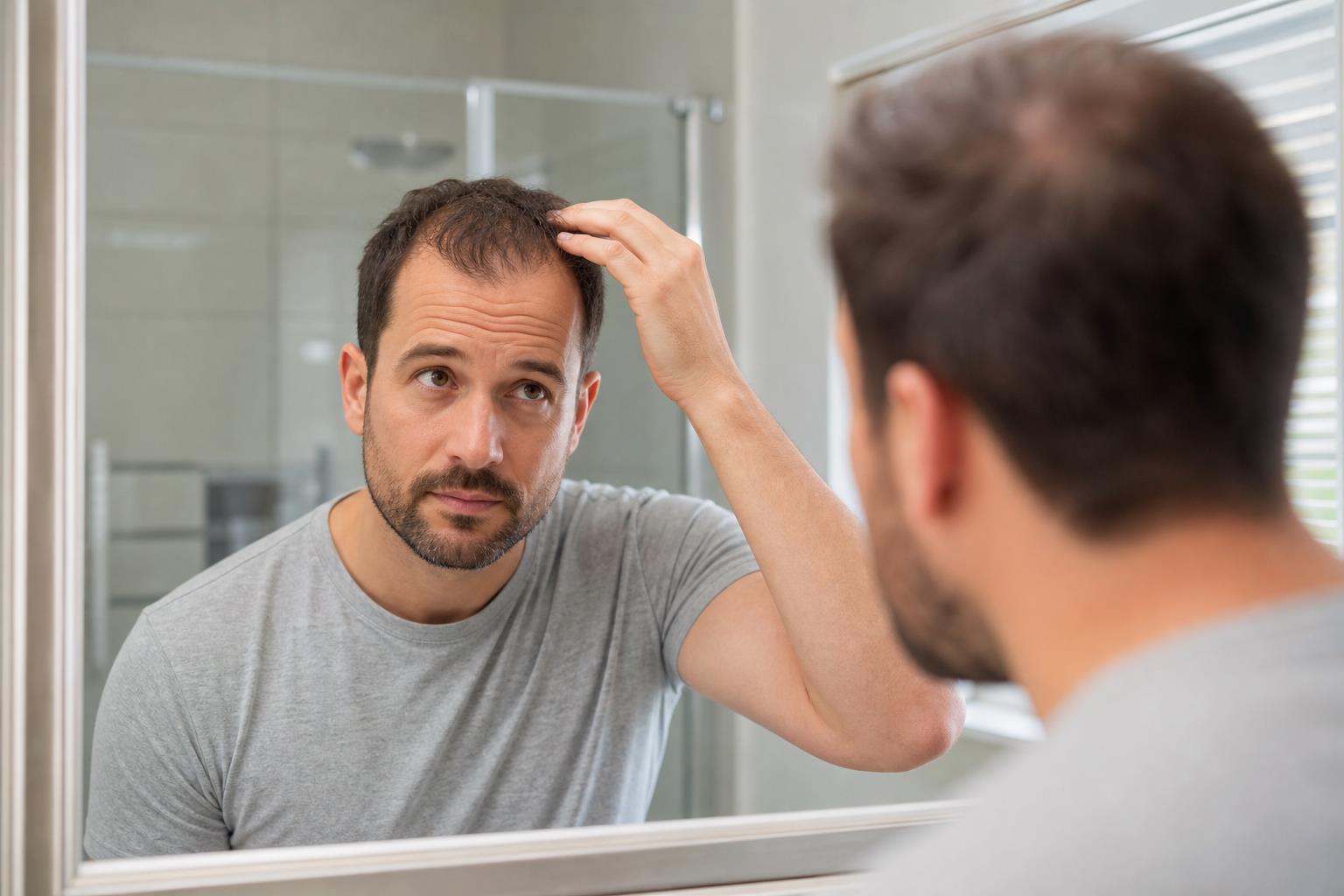
Hair · 13 min read
Hair Loss in Men: What to Know Before Trying Treatments
Hair thinning can have many causes. The useful first step is careful observation and a qualified conversation, not panic buying or miracle claims.

Sleep & Stress · 14 min read
Sleep, Stress, and Testosterone: What Lifestyle Can and Can't Do
Sleep, recovery, training, nutrition, and alcohol habits can support general wellness. They are not a substitute for medical evaluation when symptoms suggest a hormone or health concern.
Social comparison and journaling
When comparison spikes, ask what is being compared: a real life or a curated moment. Unfollowing accounts that trigger shame can be a reasonable mental health boundary. So can spending more time with people who value character, reliability, humor, and care.
Journaling can help identify patterns. Short prompts work: What drained me today? What did I handle well? What conversation am I avoiding? What would make tomorrow ten percent easier? The goal is clarity, not perfect prose.